

Have you ever walked past someone and instantly recognised their perfume, maybe it reminded you of an old family member? Or perhaps you found a skincare product that you can just tell smells like freshly baked cinnamon rolls in the morning, which prompted you to add to cart instantly.
This is sensory marketing, and in 2025, the top brands are tapping into our senses. Whether it’s the nostalgia of a smell that takes you back or visual aesthetics that tap into that cosy warm feeling, sensory marketing is paving the way for e-commerce and DTC (direct-to-consumer) brands. In a world that’s becoming increasingly digital, sense-based marketing bridges that gap between digital and physical.
What is sensory marketing?
Sensory marketing engages the senses – sight, smell, touch, sound, and taste – to induce emotions from consumers. It turns marketing from something visual to something sensory, to be experienced rather than just perceived.

Why use sensory marketing?
At one point in time, all we knew was to touch, smell and evaluate a product based on the product directly in front of us! Now, we scroll (and scroll…) to find the closest match to what we want online. In turn, we miss the sensory part in the purchasing experience. With this shift in the way we buy comes a shift in marketing, placing digital marketing at the forefront. It’s not slowing down, so neither should brands. In comes sensory marketing, with the goal to recreate that feeling and trigger emotions that turn consumers into customers.
And the science proves it. One study found that higher levels of odour-evoked nostalgia elicited higher levels of positive effect, social connectedness, optimism and more. Another found that creating sensory brand experiences that elicit strong emotional connections have positive effects on brand loyalty.
Who does it best?
Now, it’s easier to execute this in-store than online, just check out Balenciaga’s pink fur shop, yep, you heard that right… or these wacky scratch-and-sniff billboards! But that doesn’t make it impossible to perform online.
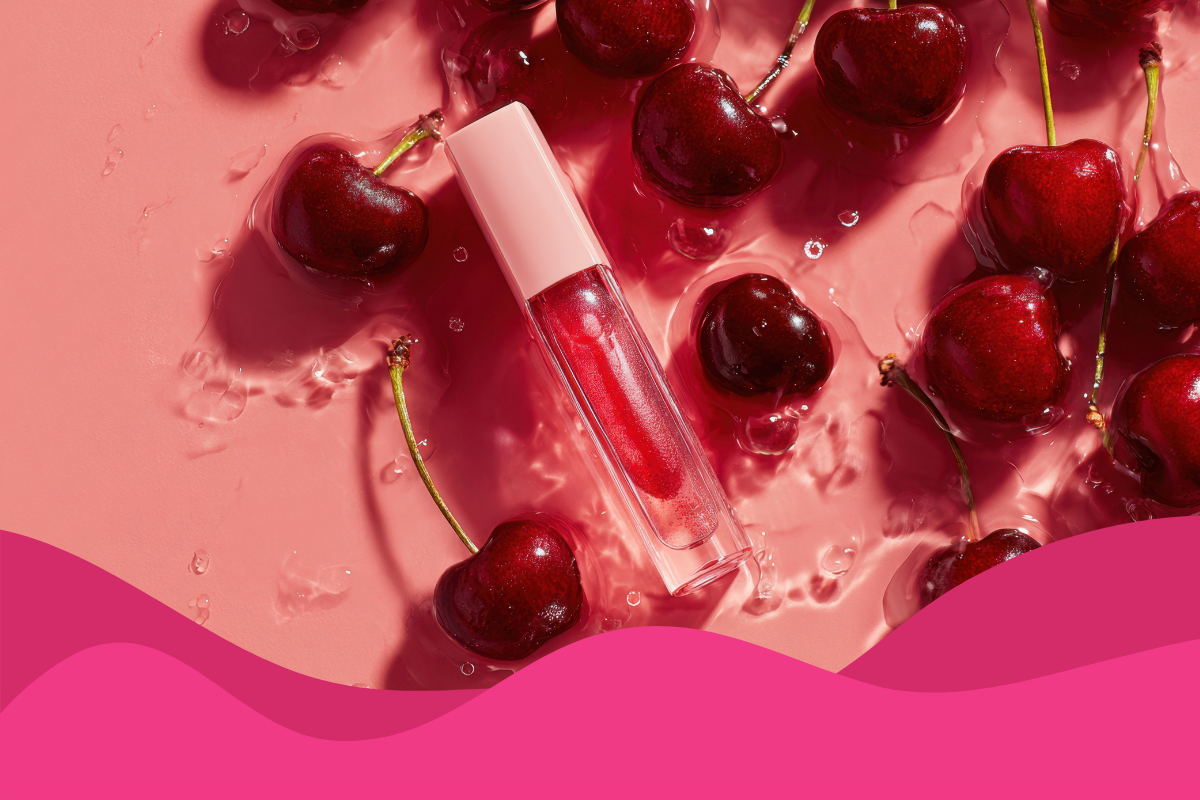
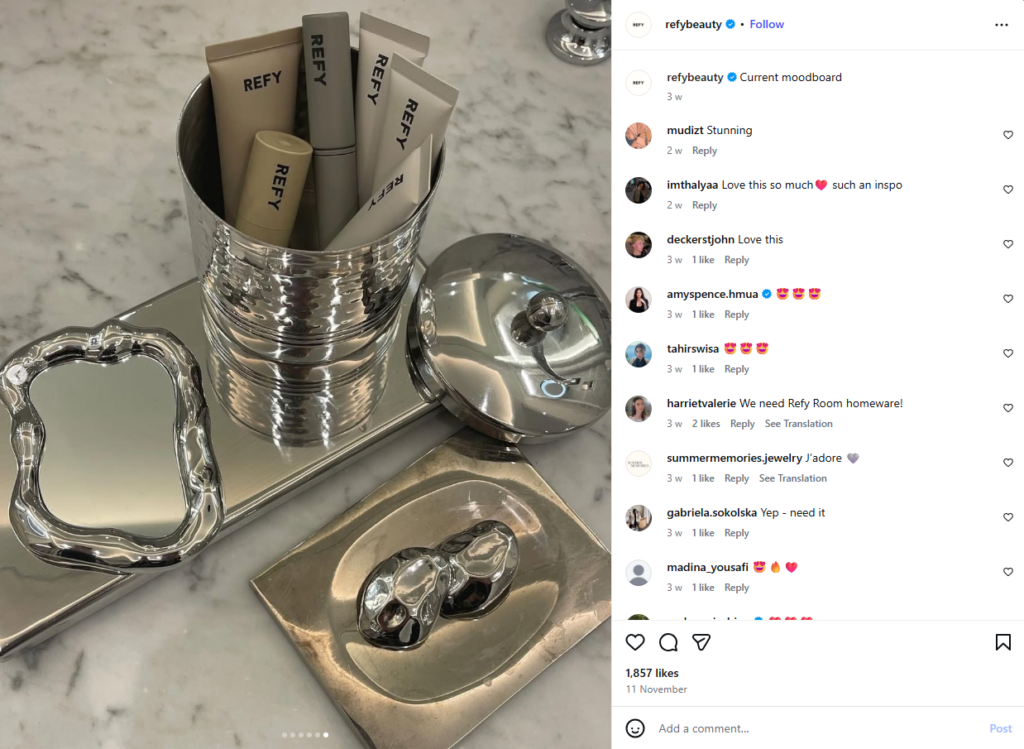
Brands such as Hailey Bieber’s Rhode convinces us with food marketing and do it especially well. By positioning products along everyday items, like handbags, it helps viewers visualise themselves with them, and by using fruit, you can almost taste the product. Sisters and Seekers have also got this under their belt, using sweet treats to evoke that feeling of sweetness in their marketing.

Want to tap into emotions with your marketing?
Sensory marketing is one of many ways you can tap into consumer emotions, but the opportunities to do so are endless! Have you got big ideas for your brand or just not sure where to start? We can help! Get in touch for a chat, no unnecessary jargon, just finding out what’s best for you!
